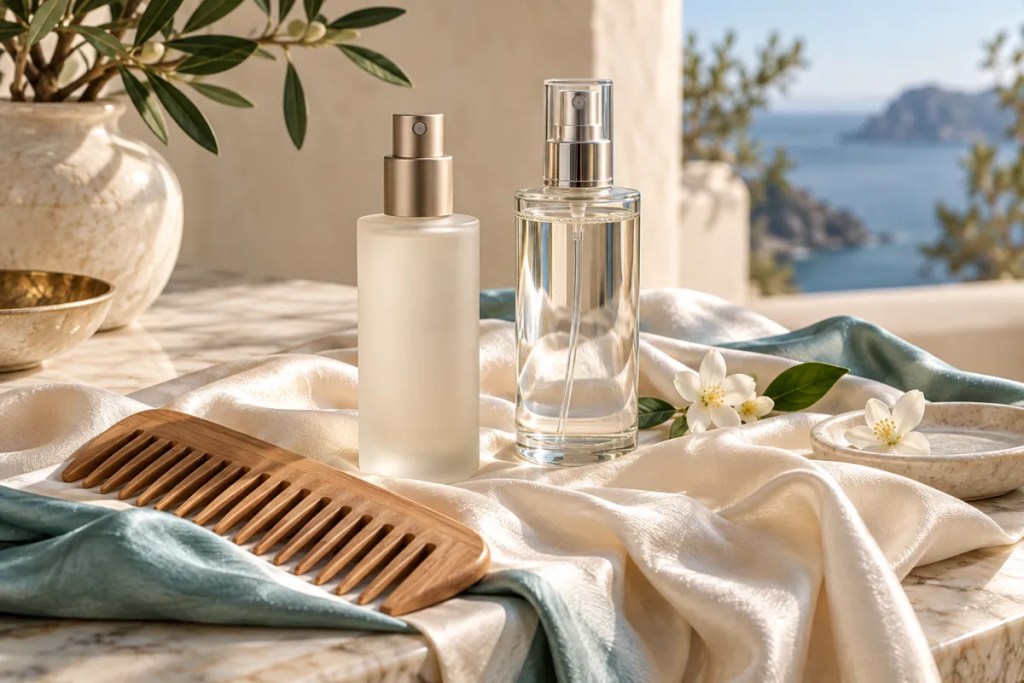
Hair perfume is marketed for adding fragrance to hair, while body mist is generally intended for use on the body. Some products explicitly allow both. The important distinction is the label: do not assume an ordinary perfume or body spray is suitable for hair simply because the scent appeals to you.
Why this comparison is useful now
October 2026 launch coverage includes a combined hair-and-body mist. That is a useful reminder that formats are expanding, rather than proof that every fragrance belongs everywhere. An all-purpose-sounding name should still be checked against the actual instructions and warnings.
Begin with the purpose. Do you want a light scent near your hair, a body fragrance or a convenient product for both? A clear answer can prevent buying two similar sprays when one intended-use option would suit your preferences.
Read beyond the front of the bottle
Intended application area
Look for explicit hair, body or combined directions. Check whether the maker specifies dry or damp hair, a distance from the surface and areas to avoid. Follow those instructions rather than a social-media demonstration that uses more product.
Formula and comfort
The category name does not tell you the alcohol level, conditioning performance or likelihood of irritation. A product described as a mist is not automatically gentler than a perfume. If a formula causes discomfort or an unwanted feel, stop using it rather than adding more to mask the effect.
Storage and warnings
The FDA's cosmetic-safety guidance recommends reading warnings, protecting cosmetics from temperature extremes and using sprays with ventilation away from open flames. Follow any flammability warnings on the particular product. Do not apply a fragrance beside a lit candle.
Choose the scent without overspraying
Sample one fragrance at a time when possible. A paper blotter can help you assess the broad scent direction before deciding whether a product belongs in your routine. It cannot establish how the spray feels on your hair or how long it will last.
If you try a hair product according to its directions, begin conservatively and judge the result during normal wear. A scent that seems subtle to you may still be noticeable to someone sitting close by. Keep shared offices, public transport and fragrance-sensitive companions in mind.
Avoid stacking a scented shampoo, leave-in, hair mist and perfume simply because they have similar note descriptions. Decide which product should lead. One enjoyable scent can be enough, especially when the rest of your routine already has a noticeable fragrance.
Keep fragrance separate from cleansing
A mist is an optional finishing product, not a substitute for washing or a treatment for scalp symptoms. If you are trying to cover a persistent odour or discomfort, adding scent may make it harder to identify the underlying issue. Seek appropriate advice for ongoing scalp concerns.
For hair appearance and handling, the American Academy of Dermatology's damage-prevention guidance supports gentle care and reducing harsh styling habits. A fragranced finish does not replace the practical washing, conditioning and handling steps your hair needs.
Compare the purchase with your existing routine
Check the amount you expect to use, whether you like the scent after it settles and whether the approved application areas match your needs. Do not buy on an assumed longevity ranking: concentration names and marketing words cannot predict everyone's experience.
Frequently asked questions
Can I spray ordinary perfume on my hairbrush?
Do not assume this makes it suitable for hair. Use a product whose directions support the intended application method.
Is a hair-and-body mist automatically safe for the scalp?
No. Hair use does not necessarily mean scalp use. Read the specific directions and keep sprays away from the eyes and face.
Will hair perfume repair damage?
Fragrance alone does not establish a repair benefit. Assess any additional cosmetic claim using the exact formula and evidence provided by its maker.
Browse the Etoraa beauty collection with intended use and personal scent preference as your starting points.
Sources and editorial context
- L’Officiel: October beauty edit — 2026-10-15. Accessed 19 October 2026.
- FDA: Using Cosmetics Safely — Not displayed in retrieved excerpt. Accessed 19 October 2026.
- AAD: How to stop damaging your hair — Not displayed. Accessed 19 October 2026.