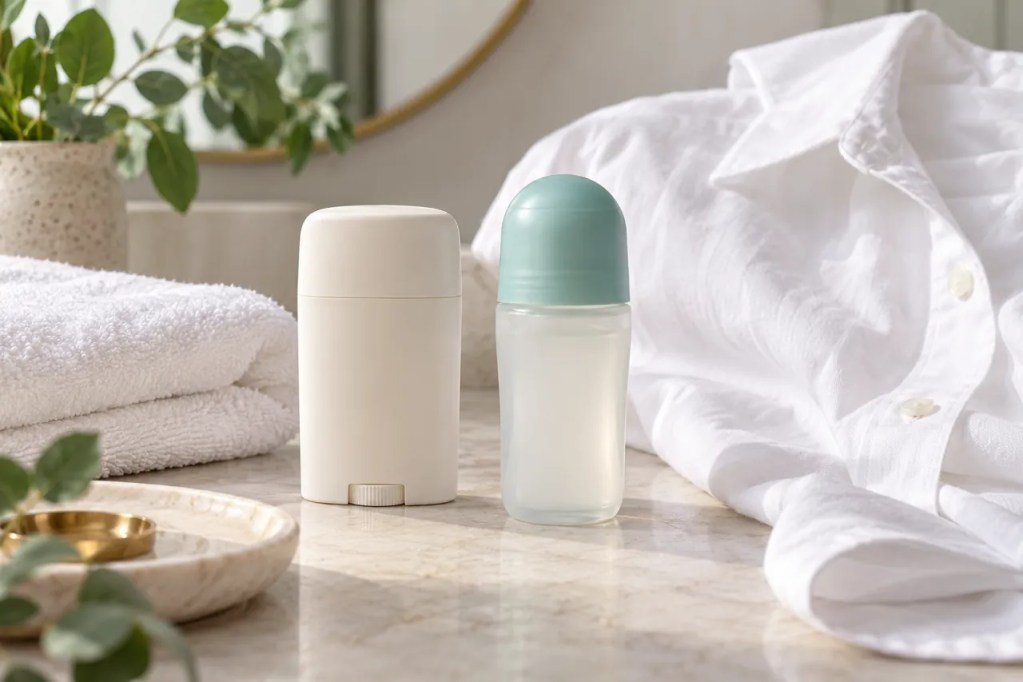
Deodorant targets body odour; antiperspirant reduces sweating where you apply it. Some products do both. Choose by the problem you want to address, then read the actual label for application site, timing and warnings. A stick, roll-on or spray shape alone does not tell you the job.
By Etoraa editorial. This guide compares product roles without testing or recommending a particular formula.
Decide whether you want odour control, less wetness or both
Sweat and smell are related, but they are different concerns. You may feel comfortable with sweating while wanting less noticeable odour. Alternatively, damp clothing may be the reason you are shopping. Naming the concern helps you avoid buying a product whose main purpose does not match it.
Cleveland Clinic distinguishes deodorants that address odour from antiperspirants that reduce sweating. Poison Control also explains that many products combine the functions. Read Cleveland Clinic’s comparison and Poison Control’s product explanation.

Read the label instead of judging the format
An antiperspirant usually identifies its sweat-reducing active ingredient on the pack. A combined deodorant-antiperspirant should describe both roles. However, descriptions and regulatory labelling differ between countries, so use the local label on the item you are considering.
Words such as “fresh”, “clean” or “natural” do not tell you whether a product reduces sweating. Nor does a strong fragrance establish that it controls odour well for you. An aluminium-free deodorant is not automatically an antiperspirant, and aluminium-free does not mean free from ingredients that may irritate.
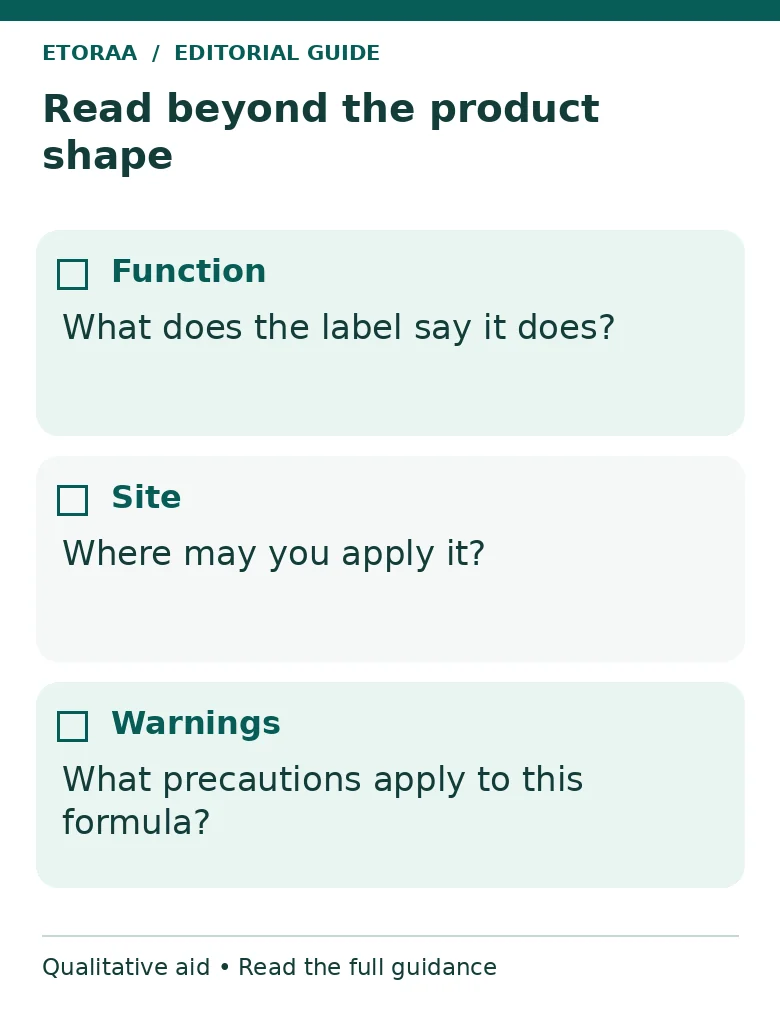
Compare the exact application site too. An underarm product is not automatically suitable for the face, intimate areas or every sweaty part of the body. Follow spray ventilation and flammability warnings where present. Keep all products away from eyes and use only as directed.
Make application part of the choice
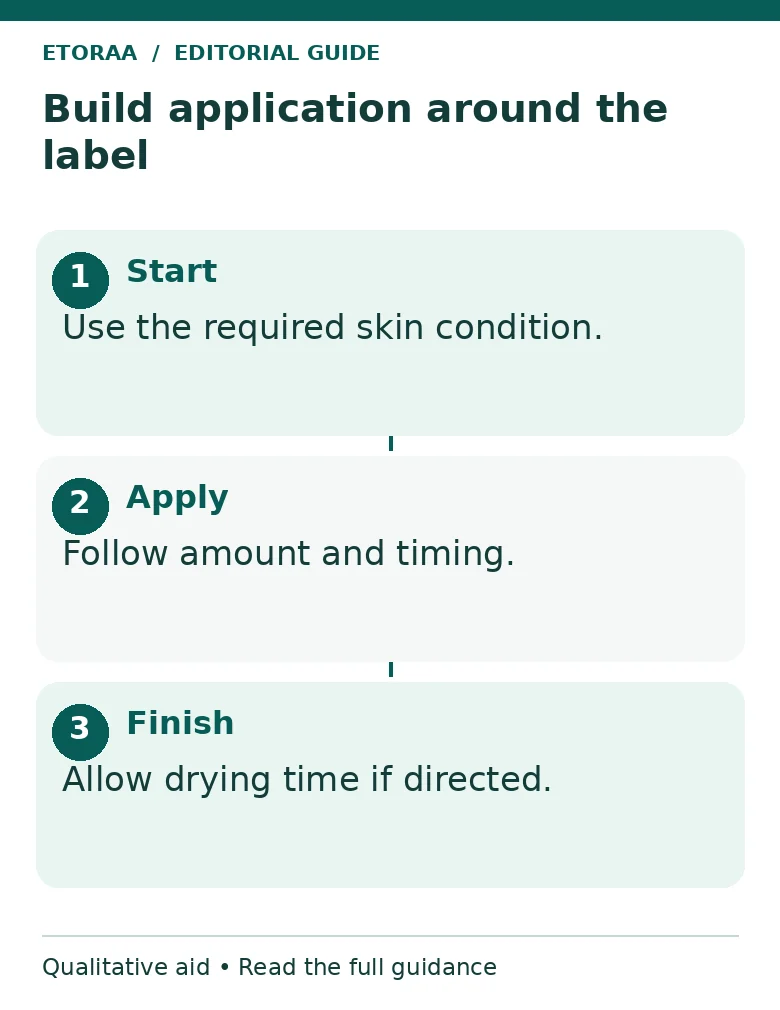
Look at when and how the manufacturer tells you to apply the product. Some antiperspirants specify application to clean, dry skin at night. Do not assume every formula follows the same schedule or that applying extra will improve results.
Try this label-reading exercise before a purchase: identify the intended site, skin condition required, amount or number of passes, timing and any advice about shaving. If an instruction is unclear, use the manufacturer’s current directions rather than copying a routine for a different product.
Also consider daily logistics. A roll-on may need time to dry before dressing. A cream may involve applying it with clean hands. These are practical preferences, not evidence that one format is stronger than another.
Compare comfort without a “detox” story
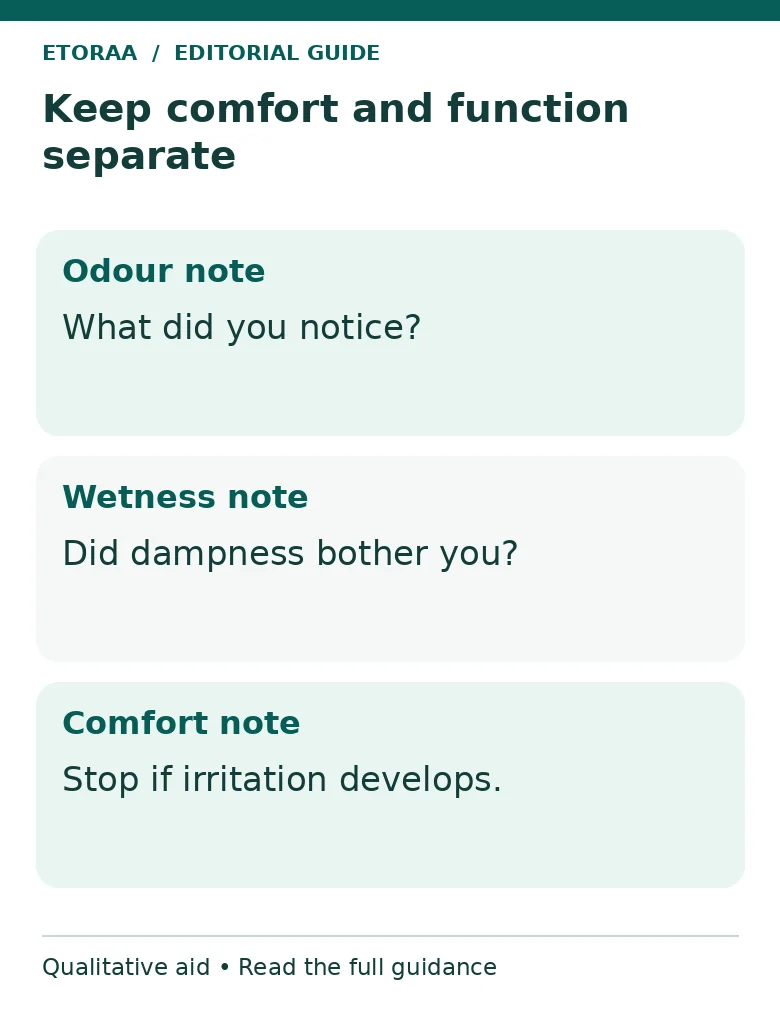
Fragrance, alcohol and other ingredients can affect tolerance. Stop using a product that causes irritation instead of assuming a rash proves it is working. Scripps discusses irritation and the distinction between aluminium-free deodorants and antiperspirants. Read its clinician-led explanation.
If you switch products, record what changed: the exact formula, application method, comfort, noticeable odour and dampness. Keep observations separate. “Less scent but the same wetness” is not necessarily a failure when the product is only a deodorant.
Our fragrance-free-versus-unscented guide explains another useful label distinction. A preference for less fragrance does not require adding perfume to the same area.
Know when shopping is not the next step
Unexpected changes in sweating, persistent irritation or sweating that disrupts everyday life deserve qualified medical advice. Do not keep layering stronger products onto painful or damaged skin. This article cannot determine the cause of symptoms.
For ordinary daily hygiene, keep the rest of the routine comfortable. Our body-wash comparison can help you consider cleansing texture without treating stronger scent or more foam as better cleaning.
Frequently asked questions
Does deodorant stop sweat?
Not unless the specific product also contains an antiperspirant and is labelled for that purpose.
Can I use both?
A combined product may already do both jobs. Before layering separate products, check their directions and avoid adding unnecessary sources of irritation.
Do I need to change products every few weeks?
No fixed rotation is required by this guide. Judge the current product against its intended role, directions and your comfort rather than an invented timetable.
Sources and scope
Accessed 30 October 2026: Cleveland Clinic, 13 August 2024; Poison Control, no revision date displayed; Scripps, current accessible guidance. This is supporting evergreen information. Illustrations do not show tested products, measured sweat reduction or a medical treatment.